Pouring Knowledge Down the Drain: Jacksonville's Honky-Tonk Bartenders Are a Dying Breed
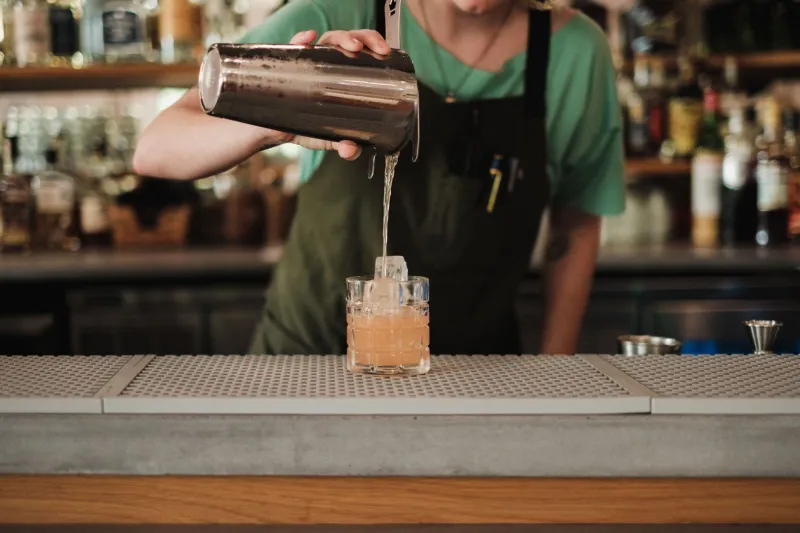
There's a moment every regular at a Jacksonville honky-tonk knows well. You walk in, maybe a little worse for wear from the week, and before you've even pulled up a stool, your drink is already being poured. No order placed. No app tapped. Just a bartender who's been paying attention long enough to know exactly what you need. That moment — quiet, personal, almost sacred — is getting harder to find.
The people who make it possible are leaving. And not enough folks are stepping up to fill those boots.
More Than a Job Behind the Stick
Let's be clear about something: a great honky-tonk bartender isn't just someone who can mix a whiskey sour or pop a longneck without spilling. They're the institutional memory of the room. They remember the night somebody's daddy died and what song was playing on the jukebox. They know which couples met at the corner table, which regulars tip better when the Cowboys win, and which strangers need to be watched.
That kind of knowledge doesn't come from a training video. It accumulates over years — sometimes decades — of showing up, listening, and caring about the place like it's your own living room. In Jacksonville's classic country scene, that bartender has historically been the connective tissue between the music, the room, and the people in it.
"You can hire somebody who knows how to make drinks," says one longtime owner of a Westside bar who asked not to be named. "What you can't hire is somebody who knows this neighborhood, these people, this culture. That takes time nobody seems to want to give anymore."
The Numbers Don't Lie
Industry observers across Jacksonville's bar scene have noticed the shift. Turnover at traditional honky-tonk venues has accelerated noticeably since 2020, and the pipeline of experienced talent willing to commit to the long hours and modest pay of a neighborhood country bar has thinned considerably.
Part of it is economic. The gig economy and remote work have given younger workers options that a Friday-night bar shift simply can't compete with on paper. The hours are brutal — late nights, loud rooms, weekend-heavy schedules — and the pay, while often supplemented by tips, doesn't offer the kind of stability that a 25-year-old weighing rent and health insurance is looking for.
But economics alone don't explain everything. There's also a cultural disconnect at play. A significant portion of the workforce entering the service industry today didn't grow up with classic country on the radio. They didn't hear Waylon Jennings from the kitchen while their parents cooked dinner. They don't feel the pull of that music in their chest the way a longtime regular does. And when you don't feel it, it's hard to serve it.
"The music matters," says a veteran bartender with over 20 years at the same Arlington establishment. "When I'm behind this bar and 'He Stopped Loving Her Today' comes on, I know what that means to people in this room. I've watched people cry to that song. I've watched people fall in love to it. If you don't understand that, you're just pouring drinks. You're not doing the job."
What Gets Lost When Experience Walks Out
The consequences of high turnover in these venues go well beyond slower service or mixed-up orders. When an experienced bartender leaves a Jacksonville honky-tonk after ten or fifteen years, they take with them an entire ecosystem of relationships — the regulars who trusted them, the locals who came in partly because of them, and the unspoken understanding of what that particular room is supposed to feel like.
New staff, no matter how well-intentioned, have to start from scratch. And in the meantime, the room can feel different. Colder. Less like a community gathering place and more like just another bar.
Several regulars at venues across Jacksonville have noticed this drift. "It's not that the new kids are bad people," one longtime patron explained over a beer at his usual spot near the Southside. "They just don't know the rhythm of the place yet. And by the time they start to get it, they're already gone."
That revolving door erodes something real. The best honky-tonks in Jacksonville have always functioned as informal community centers — places where working people could come and feel known. That function depends entirely on continuity. On the same face behind the bar, week after week, year after year.
The Mentorship Gap
One piece of the puzzle that doesn't get talked about enough is mentorship. In the past, a new bartender at a classic country venue would typically come up under the wing of someone who'd been doing it for years. They'd learn the regulars, the music, the unspoken rules of the room through proximity and observation. That apprenticeship model is increasingly rare.
With staffing shortages pushing owners to fill seats fast, new hires are often thrown behind the bar with minimal guidance. They learn the mechanical side of the job quickly enough, but the cultural education — the part that turns a bartender into a genuine steward of the venue — gets skipped.
"We used to have time to bring people along properly," one bar manager told us. "Now you're just grateful somebody showed up for their shift. There's no time to teach them why this place matters."
Holding the Line in Jacksonville
Not everyone has given up on the old model. There are still bartenders in Jacksonville who've been behind the same stick for fifteen, twenty, even thirty years. They're legends in their own quiet way — known by name to hundreds of regulars, respected by the musicians who play those stages, and deeply woven into the fabric of the venues they call home.
These are the people Jacksonville's classic country scene genuinely cannot afford to lose. And right now, the industry isn't doing nearly enough to recognize their value, compensate them accordingly, or create conditions that attract the next generation of dedicated, long-haul bartenders.
Some venues have started experimenting with retention incentives — better base pay, profit-sharing arrangements, and flexible scheduling that acknowledges a bartender's life outside the bar. A handful of owners are actively trying to cultivate mentorship relationships between veteran staff and newer hires. It's a start.
But the deeper challenge is cultural. Convincing a younger generation that a career behind the bar at a classic country honky-tonk is something worth committing to — that it carries genuine dignity, community value, and a kind of satisfaction you can't get from a laptop job — that's a harder sell in 2024 than it used to be.
Last Call for Common Sense
Jacksonville's honky-tonks have survived a lot. They've outlasted trends, economic downturns, and the endless parade of musical fads that Nashville keeps churning out. They've held on because of the people inside them — the musicians, the regulars, and especially the bartenders who kept the lights on and the glasses full and the community intact.
Losing that institutional knowledge, one departing bartender at a time, isn't something you can easily fix with a hiring ad or a training program. It's a slow bleed that changes the character of a place in ways most people don't notice until it's already gone.
So next time you belly up to a bar in Jacksonville and the person behind the stick already knows your order — tip well. Say thank you. And maybe tell the owner you appreciate them keeping someone like that around.
Because that bartender is more valuable than any of us have been acting like they are.