Before the Last Chord Fades: Jacksonville's Elder Statesmen of Country Music Are Racing to Give It All Away
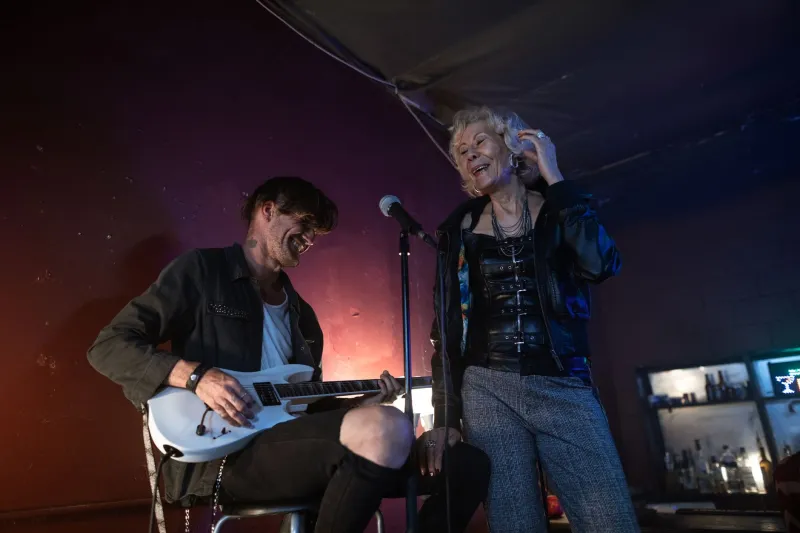
There's a man who shows up every Thursday night at a bar off Blanding Boulevard with a battered guitar case and a thermos of coffee. He's been doing it for going on forty years. He doesn't get paid much. He doesn't ask for much. What he does ask — and he'll corner you about it if you let him — is that you sit down after the second set and let him show you something.
That something might be a chord voicing nobody uses anymore. It might be the correct way to phrase a Merle Haggard line so it breathes right. It might just be a story about how a song got written and why that matters when you're performing it. Whatever it is, he gives it freely, urgently, like a man who knows he's running out of time.
He's not alone. Across Jacksonville's honky-tonks, dive bars, and community halls, a quiet movement is underway — one that doesn't have a name, doesn't have a nonprofit behind it, and doesn't show up in any press release. It's the city's aging classic country players deciding, almost collectively, that the most important gig left on their calendar is getting what they know into somebody younger's hands before it disappears with them.
What They're Carrying
To understand why this matters, you have to understand what these musicians actually know — and how differently they came to know it compared to anyone learning guitar today.
The men and women who came up playing country in Jacksonville in the 1960s and '70s learned by watching. They stood next to someone better than them and paid attention. They played on bills with artists who had toured with the legends, who had sat in on sessions with steel guitar players who were already old when Nashville was young. That knowledge traveled person to person, like a whispered secret passed down a long line.
What they absorbed wasn't just technical. It was interpretive. It was emotional. It was an understanding of why classic country sounds the way it does — the restraint, the space between notes, the way a lyric lands harder when you don't oversell it. That's not something you find in a tab book or a YouTube breakdown. It lives in the people who carry it.
"There are things I know about playing a shuffle that I couldn't write down if I tried," says one Jacksonville guitarist who's been on local stages since the Carter administration. "I can only show you. And I can only show you if you're standing right here next to me."
The Jam Session as Classroom
The vehicle for most of this knowledge transfer isn't a formal lesson or a structured program. It's the jam session — that loose, unscheduled gathering that still happens regularly in Jacksonville venues willing to leave the stage open a little longer than the set list requires.
These sessions have always been part of the culture. But something has shifted in how the older players approach them. Where a jam session used to be recreational, it's now something closer to intentional. The veterans are actively watching for younger players who show promise, pulling them aside, inviting them back.
One bass player in his late seventies — who still holds down a regular Thursday slot at a Westside bar — describes it plainly: "I don't have a lot of years left where I can do this. So when I see a kid who's got something, I don't wait. I just start talking to them. I start showing them things. If they're interested, they'll come back. If they're not, that's fine too. But I'm not going to sit on what I know."
The younger musicians who've found their way into these informal circles describe the experience as unlike anything else available to them. One twenty-six-year-old fiddle player who started sitting in on sessions two years ago put it this way: "You can watch a thousand videos online and get pretty good technically. But you won't know what you're missing until you're in a room with someone who's been doing this for fifty years and they just look at you and go, 'No — feel it first, then play it.' That's not something you can download."
The Venues That Make It Possible
None of this happens without the right kind of room. And Jacksonville, to its credit, still has a handful of venues that understand their role in this ecosystem.
These aren't the places chasing the weekend crowd with themed nights and drink specials. They're the bars that keep the stage up even on slow nights, that let musicians linger after closing, that don't rush the conversation happening in the corner booth between a sixty-eight-year-old steel player and a teenager who wandered in with a borrowed guitar.
The owners of these spots tend to share a particular philosophy: the music is the product, and the people who make the music are worth investing in — even when that investment looks like nothing more than letting the lights stay on an extra hour.
"This place has always been a place where musicians come to be around other musicians," says one Northside bar owner who's run her venue for over two decades. "That doesn't happen by accident. You have to protect that space. You have to make it clear that what goes on here matters."
What Gets Lost If This Fails
The stakes of this informal generational transfer are higher than they might appear from the outside. Classic country — real classic country, the kind rooted in Bakersfield and honky-tonk and the hard edges of working-class American life — is not being preserved by the industry. Nashville moved on. Streaming services don't curate it. Radio formats have largely buried it.
What Jacksonville has, in these aging players and the younger ones willing to learn from them, is something genuinely rare: a living chain of transmission. The music doesn't just exist as recordings in an archive somewhere. It exists in the muscle memory and the instincts and the hard-won interpretive knowledge of people who are still here, still playing, still willing to teach.
Break that chain and you don't just lose some old songs. You lose the understanding of how to play them right. You lose the context. You lose the feel. And feel, as any honest country musician will tell you, is the whole thing.
The Urgency Is Real
Nobody involved in this quiet movement is being dramatic about it. These aren't people who traffic in nostalgia for its own sake or who romanticize the past as a way of avoiding the present. They're practical people with a practical concern: they have something worth passing on, the window for passing it is narrowing, and they're going to use every Thursday night and every late conversation and every impromptu parking lot lesson they can get.
The man with the battered guitar case and the thermos of coffee will be back next week. And the week after that. And he'll keep asking if you want to sit down and learn something — not because anyone told him to, but because he understands, in the way that only someone who's carried something important for a long time can understand, that some things are too good to let die with you.