Better Off Without the Deal: The Jacksonville Country Artists Who Walked Away From Nashville and Won
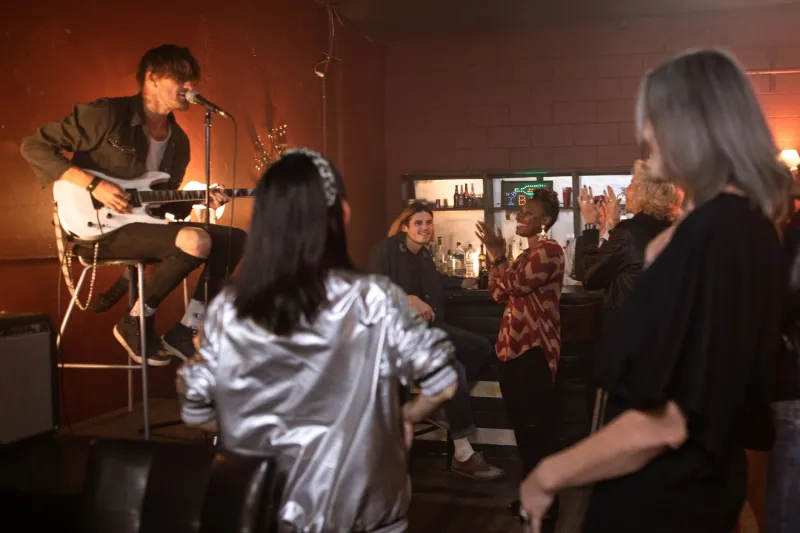
The story Nashville likes to tell about itself goes something like this: you come to Music Row, you work the system, you get the deal, you get the single, you get the tour, you become a star. It's a clean narrative. It's also not the only one.
There's a parallel story — less glamorous, less told, but increasingly relevant — about the artists who looked at that path, calculated the cost, and decided the trade-off wasn't worth it. Artists who came back to Jacksonville, or never really left, and built something that couldn't be taken away by a label drop or a format change or a radio consultant deciding their sound was last season.
Those artists are playing this weekend somewhere in this city. And a lot of them will tell you they wouldn't have it any other way.
What the Machine Actually Costs
Before you can understand why some artists walk away, you have to understand what they're walking away from. Nashville's major label system is a business, and it operates like one. Signing a deal means signing over creative control, often for years. It means recording what the label wants, with the producers they choose, on the timeline they set. It means your image, your sound, and sometimes your name are products being managed by people whose primary concern is quarterly returns.
For a certain kind of artist, that's a trade they'll make. The reach, the resources, the radio access — it's real. But for another kind, the price tag is everything that made them want to make music in the first place.
"They wanted me to cut my set list in half and stop playing steel guitar on the new stuff," said one Jacksonville-based singer-songwriter who went through the development process with a major Nashville imprint in the early 2010s. "I understood the business logic. I just didn't want to be that business."
He came back to Jacksonville. He's been playing 150 shows a year ever since.
The Jacksonville Difference
What Jacksonville offers that Nashville doesn't is a particular kind of audience loyalty. Country music fans here didn't grow up with the manufactured version of the genre. They grew up with the real thing — the artists who played the local venues, who knew the regulars by name, who stuck around long enough to become part of the community fabric.
When an artist builds a following in Jacksonville, it's not a following built on a marketing campaign or a streaming algorithm. It's built on showing up, playing hard, and being honest. That kind of loyalty is slower to develop and much harder to destroy.
"My audience knows me," said one veteran Jacksonville performer who spent a brief stint in Nashville before returning home in the mid-2000s. "They know my stories. They know which songs I wrote about real things that happened to real people they might know. You can't manufacture that. Nashville couldn't give me that if they tried."
Her calendar for the next three months is full.
The Creative Freedom Equation
For artists outside the Nashville system, creative decisions belong to them. That sounds obvious until you understand how rarely it's true for signed artists. What to record, how to produce it, when to release it, who to collaborate with, what to play live — all of it is negotiated, filtered, and often overruled when you're working within a corporate structure.
The Jacksonville artists who've built careers on their own terms talk about creative freedom not as an abstract principle but as a practical daily reality. They play the songs they want to play. They record when they're ready. They experiment with arrangements, try new material live, and let the audience tell them what works — not a focus group in a conference room on Music Row.
One local bandleader who runs a six-piece outfit and has released four independent albums describes the process plainly: "I answer to the people in the room. That's the only feedback that matters to me. If they're moving, I'm doing my job. If they're not, I need to figure out why. There's no middleman in that conversation."
His last album was recorded in three days at a studio in Riverside. It sold out its first pressing in six weeks through shows and a simple mailing list.
The Trade-Offs Are Real
None of this is to suggest that walking away from Nashville is without cost. The artists who've built independent careers in Jacksonville are clear-eyed about what they've given up.
The reach is smaller. The money has a ceiling. There's no tour bus, no major festival slot, no late-night television appearance. Building a sustainable living from regional music requires discipline, hustle, and a willingness to do a lot of the business work yourself — booking, promotion, merchandise, social media, the whole unglamorous apparatus of a working musician's life.
"I'm not going to pretend it's easy," said the singer-songwriter who turned down the development deal. "There are nights when the crowd is thin and the drive home is long and you wonder what the other version of your life looks like. But then you think about what you'd have to give up to get there, and it gets a lot clearer."
What Jacksonville Gets in Return
The city gets something valuable from these artists choosing to stay. It gets a living, working country music tradition that isn't dependent on what's trending on a major label's release schedule. It gets musicians who are embedded in the community, who play the local stages, who mentor younger players, who keep the sound alive in a way that no streaming service or satellite radio format can replicate.
The artists who left Nashville and came back — or who never left Jacksonville in the first place — are the connective tissue between the city's country music history and its future. They're the ones carrying forward the influences, the techniques, the stories, and the standards that make this city's claim to country music credibility legitimate.
They didn't need a deal to build that. They just needed a stage, an honest audience, and enough conviction to keep showing up.
Jacksonville's been providing all three for a long time. And the artists who figured that out early are, by most measures that matter, doing just fine.