Bar Rules and Ballads: The Unspoken Code That Keeps Jacksonville's Jukeboxes in Line
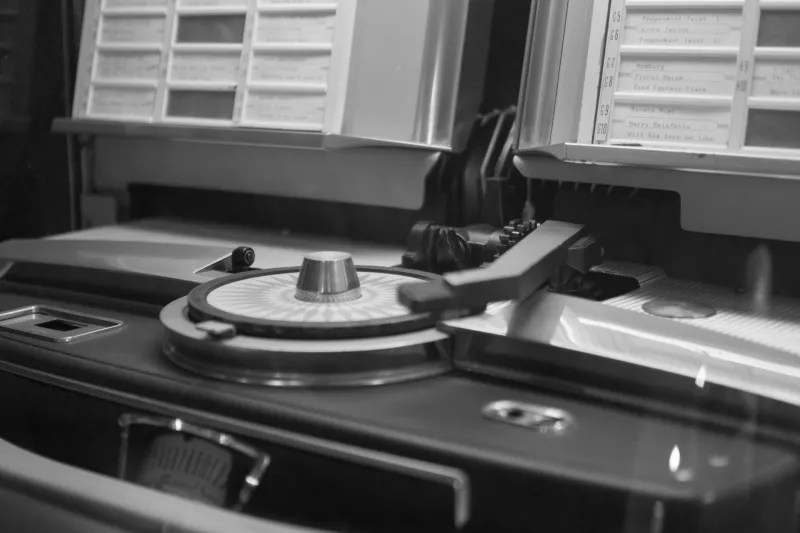
Walk into any proper honky-tonk in Jacksonville on a Friday night and you'll find two things happening at once. Out front, there's cold beer, loud laughter, and maybe somebody two-stepping a little too close to the pool table. And somewhere in the background — always in the background — there's a negotiation going on. Not the kind with lawyers or handshakes. The kind that happens with a nod, a glance, or the quiet slide of a dollar bill into a jukebox.
Song selection in a classic country bar is serious business. Don't let anybody tell you otherwise.
It Starts With Who Got There First
The first rule of jukebox etiquette in Jacksonville's honky-tonks isn't complicated: if you were here before everybody else, your taste sets the tone. Early arrivals earn a kind of musical seniority. They picked the barstools, they ordered the first round, and yes — they get to establish the mood. That might mean Merle Haggard's "Mama Tried" rolling through the speakers before the dinner crowd even shows up, and that's perfectly fine. That's how it's supposed to work.
Regulars understand this without being told. Newcomers learn it fast, usually after someone gives them a look that communicates volumes without a single word being spoken.
"There's a rhythm to a good bar night," says one longtime patron at a Northside Jacksonville spot who's been bellying up to the same stool for going on fifteen years. "You don't come in at nine o'clock and start blasting something that kills the energy six people already built. You read the room first."
The Polite Skip: A Diplomatic Masterpiece
Every now and then, a song comes on that just doesn't fit. Maybe someone punched in a selection earlier in the evening when the vibe was different. Maybe a well-meaning stranger loaded up three songs in a row that feel more like a personal playlist than a communal experience. Whatever the reason, the track playing doesn't belong in this moment.
That's where the polite skip comes in — and it is genuinely an art form.
In Jacksonville's better honky-tonks, nobody just yanks a song off without some social groundwork. A quick word to the bartender, a casual mention that "we might want to move things along," maybe a glance toward the person who made the selection to gauge their investment level. If they're deep in conversation and barely noticed the song started, you've got more room to maneuver. If they're nodding along and mouthing the words, you leave it alone and wait your turn.
The goal is never to embarrass anyone. It's to keep the night moving in a direction that serves the whole room, not just one person's mood.
When the Veto Is Actually Justified
Here's where things get a little more philosophical. Jacksonville's classic country crowd has strong opinions about what belongs in a honky-tonk and what doesn't, and occasionally those opinions collide with someone's song request in a pretty direct way.
Most bartenders and venue regulars will tell you the same thing: the veto is rare, but it exists. And it's almost never about personal taste. It's about context.
Somebody requesting a contemporary pop-country track in a bar that's spent thirty years building its identity around Waylon Jennings and George Jones isn't just making a music choice — they're asking the room to pause its whole identity for three and a half minutes. That's a bigger ask than it sounds.
"We're not trying to be snobby about it," explains a bartender at one of Jacksonville's oldest country music venues. "But there's a reason people come here instead of somewhere else. They want to hear real country. If someone puts on something that sounds like a stadium pop song with a fiddle buried in the mix, it breaks the spell. And it's our job to protect that spell."
The veto, when it happens, is almost always handled quietly. A word in the ear, a gentle redirect, maybe an offer to help find something the whole room can agree on. The last thing anyone wants is a scene. Scenes are bad for everybody.
The Currency of Goodwill
One thing Jacksonville's honky-tonk regulars understand that casual visitors often miss: jukebox politics runs on goodwill, and goodwill is earned over time.
If you've been coming to the same bar for years, playing the kind of music the room loves, tipping well, and treating the staff right — you've built up capital. That capital doesn't come with a formal reward system, but it's real. When you want to take the music somewhere a little unexpected, people give you the benefit of the doubt. They trust that you know what you're doing.
First-timers don't have that trust yet. Which is why the smartest move for anyone new to a Jacksonville honky-tonk is to listen before they start selecting. Spend the first hour just absorbing the vibe. Figure out what this room loves. Then, if you've got something to contribute, you contribute it from a place of understanding rather than imposition.
What All of This Actually Means
It would be easy to write off jukebox disputes as trivial — bar drama dressed up in cowboy boots. But there's something genuinely worth paying attention to here, especially in a city like Jacksonville where classic country music is more than background noise. It's a shared language.
The way a room of strangers negotiates what plays next says something real about community. It says: we recognize that this space belongs to all of us, that your enjoyment matters but so does everyone else's, and that some things are worth protecting even when it requires a little diplomacy.
That's a conservative value in the truest sense — the idea that shared traditions have weight, that they didn't appear out of nowhere, and that the people who come after us deserve to inherit something worth having.
Jacksonville's honky-tonks get that. Maybe that's why the music still sounds so good in here.
Next time you walk through those doors and hear Hank Williams floating out over the crowd, take a second before you head straight for the jukebox. Listen first. Then play something worthy of the room.
That's not a rule anybody wrote down. But it's the rule that matters most.